 S666
S666 THỂ THAO
 BẮN CÁ
 CASINO
 ĐÁ GÀ
ĐÁ GÀ XỔ SỐ
XỔ SỐ Nổ Hũ
Nổ HũUnderstanding the psychology behind gambling behavior in casinos
The Allure of Gambling: Understanding Attraction
The psychology of gambling in casinos begins with the inherent allure of risk and reward. Many individuals are drawn to the excitement of potentially winning large sums of money, which taps into their desire for financial success and social status. This thrill is often amplified by the sensory elements present in casinos, such as bright lights, engaging sounds, and the atmosphere of anticipation. These factors create an environment that stimulates the brain’s reward system, making the experience feel exhilarating and addictive. In fact, some gamblers also explore online options, searching for usa online casinos to enhance their gambling experiences.
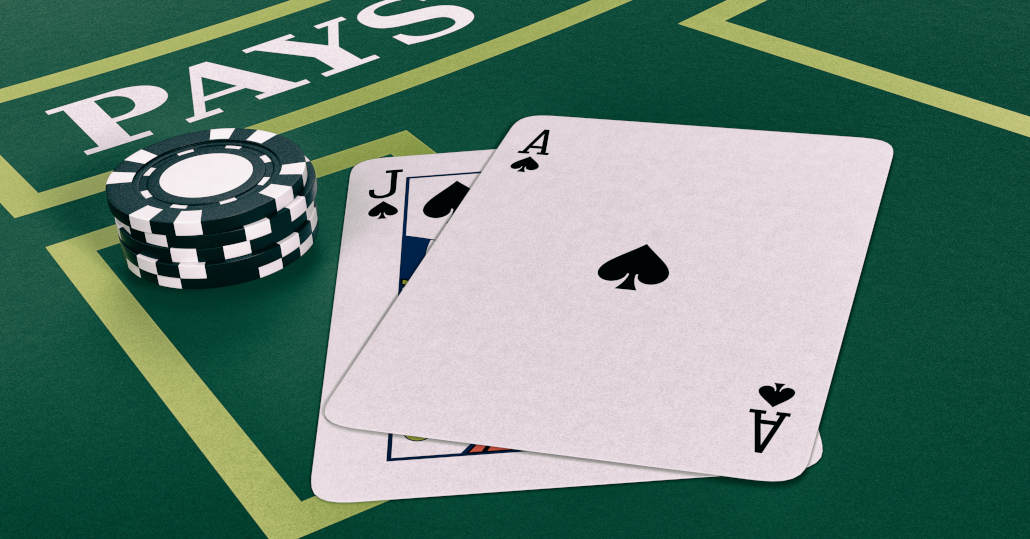
Additionally, the concept of “near misses” plays a significant role in reinforcing gambling behavior. When players come close to winning, their brains release dopamine, a neurotransmitter associated with pleasure and reward. This creates a cycle of hope and frustration, encouraging them to continue gambling in the hopes of achieving that elusive win. Understanding this psychological phenomenon is crucial for comprehending why many individuals find it difficult to walk away from a gaming table or slot machine.
The Role of Cognitive Biases in Gambling Decisions
Cognitive biases heavily influence how gamblers perceive their chances of winning. One common bias is the illusion of control, where individuals believe they can influence the outcome of games that are predominantly based on chance. This misjudgment leads players to overestimate their skills, prompting them to gamble more frequently and aggressively. Such biases can create a false sense of confidence, which, in turn, can lead to poor decision-making and financial losses.
Moreover, gamblers often exhibit the gambler’s fallacy, believing that past events affect future outcomes. For instance, a player might think that because a certain slot machine hasn’t paid out recently, it is “due” for a win. This erroneous reasoning can lead to prolonged gambling sessions and increased spending, as individuals chase their perceived chances of hitting a jackpot. Understanding these cognitive biases is essential for responsible gambling practices.
The Impact of Emotions on Gambling Behavior
Emotions play a significant role in gambling behavior, as they can heavily influence decision-making. Many people gamble as a way to escape negative emotions, such as stress or depression. This emotional coping mechanism can lead to compulsive gambling, where individuals continue to play even when they are losing, hoping to regain control and alleviate their emotional pain. The cyclical nature of this behavior can result in severe consequences, both financially and psychologically.
Conversely, positive emotions can also fuel gambling behavior. The euphoria of winning can create a rush that encourages individuals to gamble more, seeking to replicate that high. This emotional rollercoaster can lead to a cycle of highs and lows, further entrenching individuals in their gambling habits. Recognizing the interplay of emotions in gambling is crucial for developing healthier habits and promoting responsible gambling practices.
Social Influences on Gambling Behavior
Social factors significantly impact gambling behavior, with peer influence playing a pivotal role. Many individuals may feel encouraged to gamble due to social interactions or peer pressure, particularly in group settings where gambling is viewed as a fun and engaging activity. This social reinforcement can diminish personal reservations about gambling, leading to increased participation and risky behaviors.
Moreover, the stigma surrounding gambling can also affect how individuals perceive their own behavior. In some cultures, gambling is socially accepted or even encouraged, leading individuals to participate more freely. Understanding these social dynamics is critical for promoting responsible gambling and ensuring individuals recognize the potential risks associated with their behavior.

AdventureGamers.com: A Resource for Responsible Gaming
AdventureGamers.com serves as a valuable platform for those interested in gaming, including the broader implications of gambling behavior. By offering comprehensive insights and resources, the site aims to foster a deeper understanding of gaming’s psychological aspects. Users can benefit from in-depth analyses and discussions that highlight the importance of responsible gaming practices.
Through its vibrant community, AdventureGamers.com encourages gamers to share experiences, insights, and strategies for maintaining a healthy relationship with gaming, including gambling. By prioritizing education and awareness, the platform supports users in making informed decisions and enhancing their overall gaming experience.
