
 S666
S666 THỂ THAO
 BẮN CÁ
 CASINO
 ĐÁ GÀ
ĐÁ GÀ XỔ SỐ
XỔ SỐ Nổ Hũ
Nổ HũWhoa!
I’ve been poking around DeFi for years now, and somethin’ about the UX/security gap keeps nagging me. My instinct said the industry would fix this fast, but actually, wait—let me rephrase that: the gap widened before it narrowed. On one hand the protocols get ever more sophisticated; on the other hand, wallets still act like they were built for wizards, not normal folks on Main Street. Seriously?
Short story: too many people approve risky transactions because they don’t understand what they signed. Hmm… true story—once I accidentally approved a token allowance that let a contract drain funds, and I had to scramble. It was ugly. That fear is what pushed me to study better wallets, especially ones that simulate transactions, replay them in a sandbox, and explain the danger before you click. Those features matter. They matter a lot.
Okay, so check this out—transaction simulation is not flashy, but it changes behavior. Wallets that run a dry-run of a swap or contract call and then surface the gas profiling, slippage paths, and token approvals in plain English dramatically reduce accidental losses. Initially I thought simulations were just for power users, but then realized their cognitive load reduction helps everyone. On one hand this requires deeper node infrastructure and heuristics to interpret contract calls, though actually the tech is mature enough to be packaged into consumer wallets. The tricky part is UX: show too much and you overwhelm; show too little and you mislead.
Here comes the part that bugs me: many wallets still bury the most crucial decision—approving token allowances—behind a generic “Approve” button. Wow. Why? Because developers assumed users understand ERC-20 approval semantics. Not true. People see “Approve” and it becomes a reflex. My gut reaction was the same at first. Then I watched a few friends lose funds and changed my mind fast. Wallets should present the approval as a temporary permission, show who will receive the allowance, and offer a one-click revoke path. Small details—big impact.
What a Human-Centered Wallet Actually Does
Whoa!
First it simulates. Then it translates. And finally it protects via layered defaults. Those are the core moves. You need a replay engine that inspects the transaction trace, shows if a swap route will touch multiple pools, and highlights price impact. You also need a permission manager that treats approvals like leases, not permanent gifts. This is where design and engineering meet philosophy—permission hygiene is a behavioral product.
I’ll be honest: sometimes the tech is overpromised. Many simulations miss edge cases like reentrancy vectors or complex delegatecalls, and some rely on heuristics that occasionally false-positive. I’m not 100% sure any single approach is perfect. But combining static analysis, mempool replays, and on-chain heuristics yields meaningful reduction in risk. On the flip side, it’s expensive to run real-time sims for every transaction across tens of chains, so wallets must be strategic about when to invest compute and when to fall back to smart heuristics.
Here’s a concrete checklist I use when evaluating a wallet.
1) Does the wallet simulate transactions and show an execution trace? 2) Does it display allowance details and offer clear revocation? 3) Is gas estimation transparent and customizable? 4) Can it blacklist known malicious contracts? 5) Does it provide per-dapp permission management? If the answer was no to more than one, I’d be cautious with that wallet. Simple, but effective. This list shaped why I now keep certain wallets for experiments and others strictly for my main funds.
Why rabby wallet Fits the Slot (and When It Doesn’t)
Whoa!
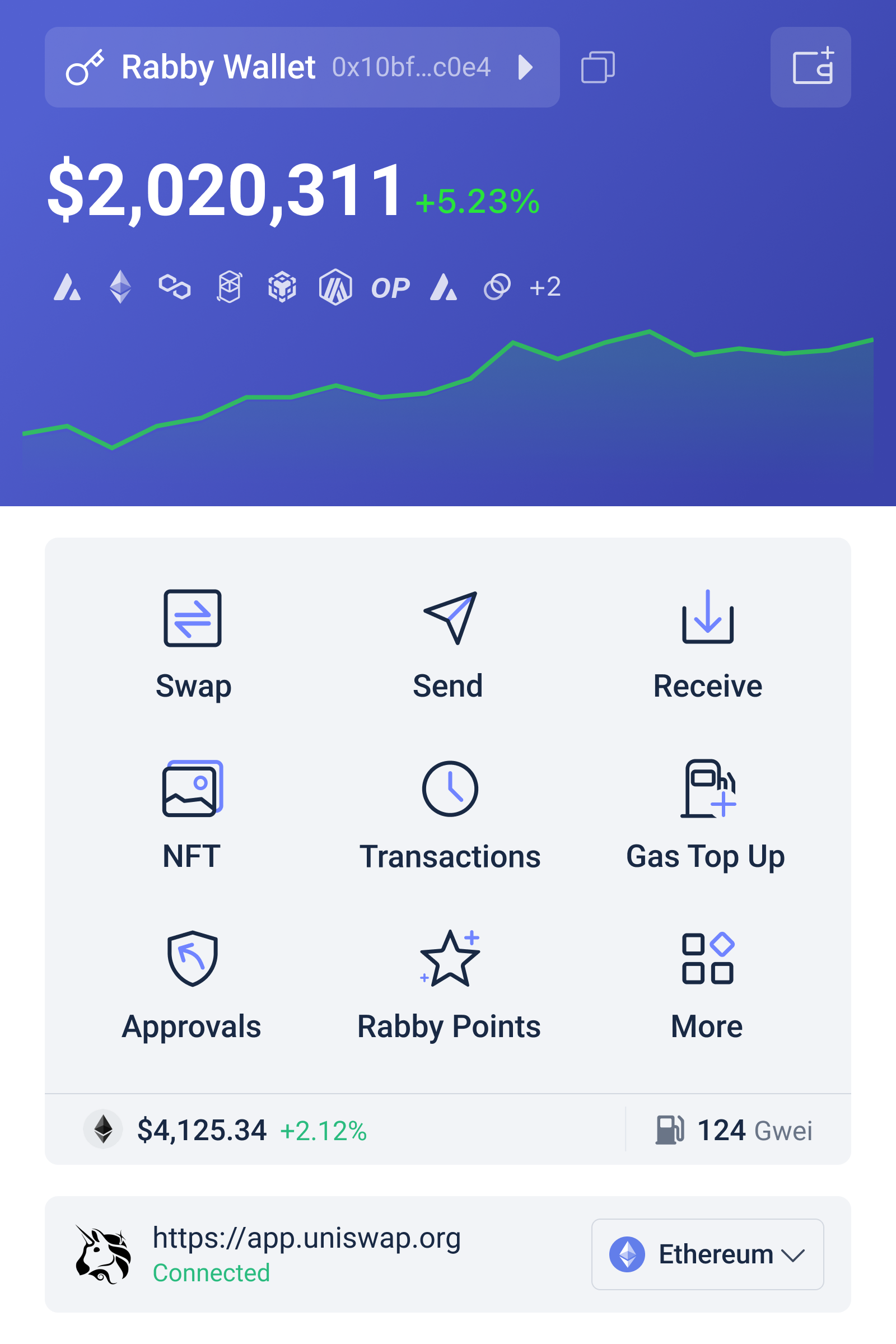
Okay, so check this out—I’ve used a handful of wallets and the one that kept cropping up for me and folks I trust was rabby wallet. It champions transaction simulation, explicit permission control, and clearer UX for DeFi flows. That combination reduces dumb mistakes and makes advanced interactions less scary. I say that as someone biased toward tools that privilege safety over flashy features.
But hold up—no wallet is perfect. Rabby is great for a lot of DeFi use-cases, especially swaps, liquidity provision, and interacting with established protocols. However, if you’re doing esoteric contract experiments or running bots that need programmatic signing at high speed, you might hit limitations. Also, the reliance on desktop extension patterns has trade-offs versus hardware-first flows. So, pick the right tool for the job and split responsibilities across wallets—one for day-to-day, one for risky plays, and a cold storage for long-term holdings.
From a product angle, rabby nailed the behavioral part: it makes approvals visible and revocations straightforward, and it simulates transactions so users see what will happen before they commit. That alone changes user behavior tremendously. Also, the design choices reflect a US-influenced risk mindset—conservative defaults, clear error states, and context before action. It matches how a lot of folks here in Silicon Valley and on Wall Street think about operational risk.
Design Patterns That Reduce Human Error
Whoa!
Short confirmations, reversible permissions, and context-rich warnings. Those are the patterns I want by default. A wallet should never ask you to confirm a contract call without labeling what the contract intends to do, and if that intention is unknown, warn louder. Also, temporary (time-bound) allowances are underrated; they let users experiment without permanent danger. And UI affordances like “revoke this approval” should be prominent—not buried under multiple menus.
On a technical level, signing flows should prefer “explicit intent” messages over raw data blobs whenever possible. Explain complex multisig or meta-transaction gas sponsorships in plain English. Also, show the on-chain path of a swap—if your token will route through five pools and touch a wrapped asset, that should be surfaced. People care about slippage and MEV. They also care about honesty—show both best-case and worst-case, so folks aren’t surprised when the market moves. This part is slightly nerdy, I know, but it’s practical.
One thing that still drives me crazy is permission creep—apps that request approvals for everything “just in case.” Wallets need to intervene here. Implement conservative defaults, periodically prompt users to clean up old approvals, and provide automated revocation suggestions. It’s maintenance rather than theater, but it’s worth it: fewer attack surfaces, fewer headaches.
Common Questions From Real Users
Q: Are transaction simulations always accurate?
A: No. Simulations approximate state and rely on node responses and mempool visibility. They catch many common failure modes like slippage, failed swaps, and excessive gas, but exotic reentrancy or off-chain oracle manipulations can still surprise you. Use sims as a risk-reduction tool, not a guarantee.
Q: Should I trust a wallet’s “Approve once” option?
A: Generally yes, it’s safer than unlimited approvals. Still, treat “one-time” options with attention—some dapps use patterns that can request repeated approvals or leverage allowances in confusing ways. Keep an eye on approvals and revoke them if you stop using a dapp.
Q: How many wallets should I use?
A: Split responsibilities. One for everyday DeFi with simulation and approval controls, one for experimental interactions, and cold storage for long-term assets. That approach reduces blast radius if something goes wrong. Simple segmentation, big benefits.
Alright—final thought, and then I’ll shut up. The industry is learning, bit by bit. Protocols get safer, front-ends get slicker, and wallets are finally catching up with the human part of the problem. Still, trust but verify. Do the small housekeeping tasks: revoke stale approvals, simulate before signing, and keep a clean separation of funds. I’m biased toward tooling that makes those steps obvious. That bias comes from paying attention to the kinds of mistakes people make, especially when stakes are high.
So, if you want a practical next step, try a wallet that simulates transactions and makes approvals visible—use it for your main DeFi activity. You’ll sleep better. You might even stop saying “I wish I had known” as often. And yeah, somethin’ like that changed how I use wallets for good.
