 S666
S666 THỂ THAO
 BẮN CÁ
 CASINO
 ĐÁ GÀ
ĐÁ GÀ XỔ SỐ
XỔ SỐ Nổ Hũ
Nổ HũOkay, so check this out—I’ve been moving crypto around for years, and some days it feels like juggling flaming torches. Wow! I used mobile apps, browser extensions, and desktop clients across different OSes. My instinct said: if you can run it everywhere, you avoid single points of failure. Initially I thought all wallets were roughly the same, but then I ran into sync quirks and key-management nightmares that made me rethink everything. Seriously?
Here’s the thing. Non-custodial means you hold the keys. Simple sentence. But not simple life. On one hand you get control and privacy. On the other hand you become responsible—there’s no bank to call if you mess up. Something felt off about handing custody to a third party after watching a few custodial freezes hit the news. So I started testing multi-platform wallets that let me juggle my assets on phone, laptop, and extension without sacrificing the seed phrase model. Hmm… there are tradeoffs.
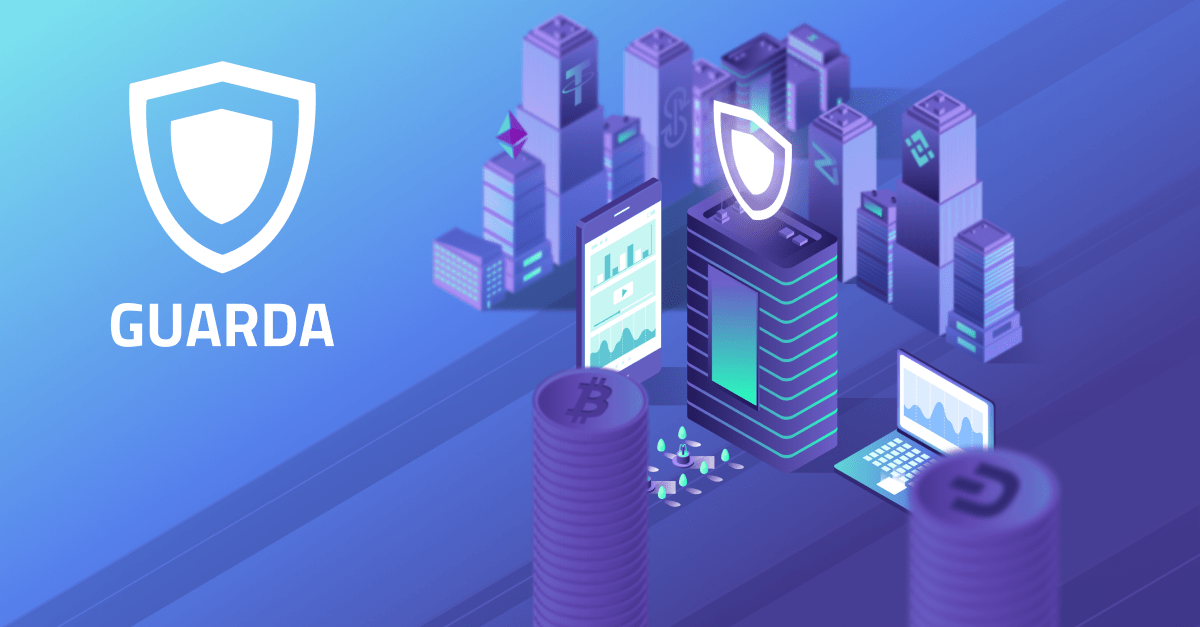
I tried Guarda’s suite across devices. The interface felt clean. Really? Yes. Initially I thought it would be clunky across platforms, but the experience was pretty consistent—though there were tiny UX differences that bugged me. I like that it supports a long list of coins and tokens, and it offers built-in exchange tools so you don’t have to hop to an external aggregator. On desktop I liked the screen real estate for portfolio overviews; on mobile, the QR send/receive flow was quick and simple. I’m biased toward tools that don’t force me into a single ecosystem though—so Guarda’s multi-platform nature was appealing.
A practical look: setup, features, and what to watch for
First step is seed phrase backup. One phrase: write it down. Short. Do it offline. My gut said to test restores immediately—so I did. I exported the mnemonic, restored on a fresh install, and verified balances. Actually, wait—let me rephrase that: I restored on a test machine and treated it like a rehearsal for a real emergency. On one attempt I forgot a character and spent ten minutes troubleshooting. Lesson learned: triple-check. Oh, and by the way… don’t store your seed in a cloud note. Ever.
Security-wise Guarda is non-custodial, meaning you control the private keys. That’s the core promise. On the other hand, there’s the question of software supply chain and device security. On the desktop you should be running OS updates and anti-malware; on mobile, watch app permissions. On the extension, be mindful of malicious sites and approving requests. On one machine I clicked “approve” too fast while half-asleep—very very stupid move—but it reminded me that human factors often beat technical defenses.
Now, for those who want the link and want to check it out themselves, here’s a straightforward place to get the client: guarda wallet. I dropped it in casually, not as an ad. I tried installs across macOS, Windows, Android, iOS, and a Chrome extension; the flows were consistent enough that I could switch devices mid-session without losing my place.
Function-wise, Guarda offers multi-chain support, integrated swaps, and staking for certain assets. That made moving funds and testing yield options less tedious. On the flip side, fees on built-in services can be higher than using a separate DEX or aggregator—so read the prompts. Also, the UX sometimes abstracts gas settings; advanced users will want manual controls when networks spike. My recommendation: use the built-in convenience for small trades, but set gas manually for bigger or time-sensitive transfers.
On backups: I love hardware wallets. Seriously. Pairing Guarda with a hardware device for signing is the best of both worlds for me—convenience plus cold-key protection. But not everyone will buy a hardware key. If you don’t, then your operational security needs to be stronger: secure seed storage, multi-location backups, and a plan for device loss. I once lost a phone and felt the stomach drop—somethin’ you don’t forget. The recovery went fine because I had rehearsed it; practice that recovery once, at least.
I also checked customer support and docs. Support response times varied. Sometimes I got helpful step-by-step answers; other times I had to rely on community threads. That inconsistency bothers me. On the one hand, documentation covers the basics; though actually, advanced edge-cases were thin. If you’re a power user, prepare for some DIY troubleshooting and the occasional forum deep-dive.
On privacy: Guarda is non-custodial but not fully anonymous by default—there are onramps and fiat integrations that will require KYC in some cases. If privacy is your top priority, you’ll need to pair the wallet with privacy tools and habits. On the other hand, for everyday multi-platform use where convenience matters, these integrations can be handy. On balance, decide what you care about more: frictionless on/off ramps or absolute anonymity.
FAQ
Is Guarda truly non-custodial?
Yes. Private keys are stored locally on your device, meaning you control them. That said, device security and seed backup practices are on you—no custodian will bail you out.
Does it work across all devices?
Guarda offers mobile apps, desktop clients, and a browser extension, so you can use it across platforms. The experience is mostly consistent, but expect minor UI differences between builds.
Should I use the built-in exchange?
For small trades and convenience, yes. For large or time-sensitive transactions, compare fees and set gas manually. Also consider using dedicated DEXs if you want the best price and don’t mind extra steps.
