 S666
S666 THỂ THAO
 BẮN CÁ
 CASINO
 ĐÁ GÀ
ĐÁ GÀ XỔ SỐ
XỔ SỐ Nổ Hũ
Nổ HũHow gambling changes your perception of risk and reward
The Psychology of Gambling
The allure of gambling lies in its unique psychological dynamics that significantly alter an individual’s perception of risk and reward. When engaging in gambling, players are often drawn by the excitement of winning, which can cloud their judgment regarding the inherent risks involved. The thrill of potentially striking it rich creates a cognitive bias that leads individuals to overestimate their chances of winning, sometimes disregarding the statistical realities of the games they play. Players seeking alternatives to traditional options can explore an uk online casino not on gamstop, which further complicates their understanding of risk.
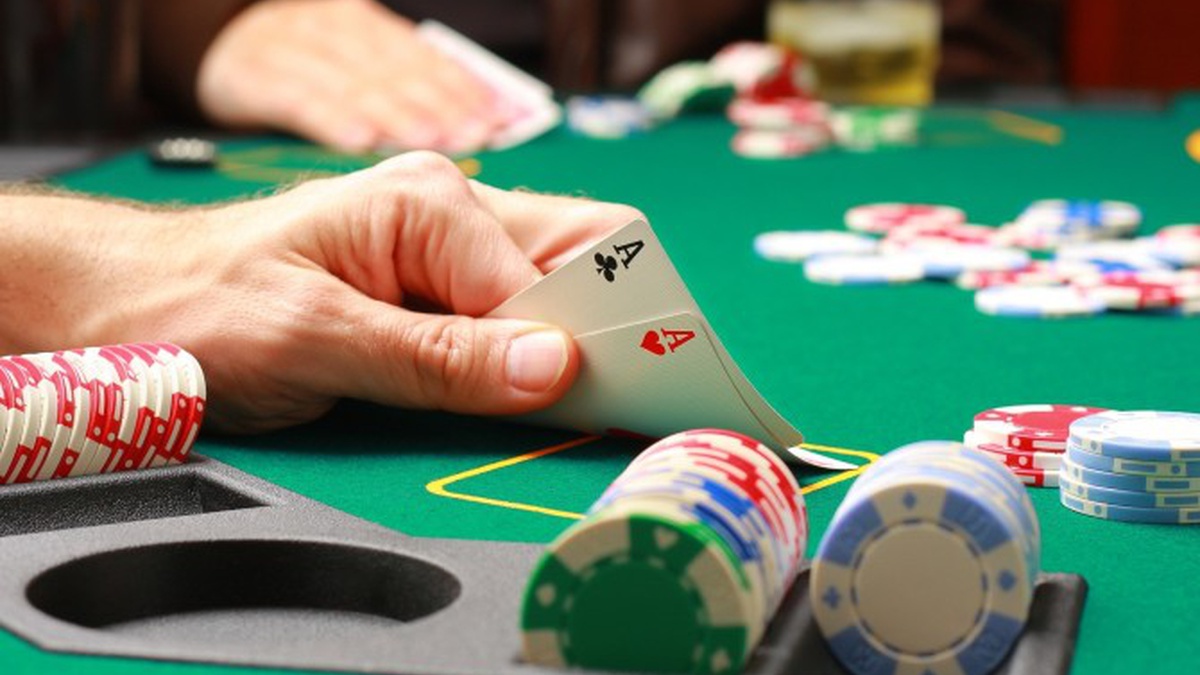
This psychological phenomenon is known as the “gamblers’ fallacy,” where players believe that past outcomes can influence future results. For instance, someone might feel that after several losses, a win is due, which can lead to an increased willingness to take risks. This false sense of control and prediction plays a crucial role in how gamblers perceive their risk levels, often leading them to gamble more than they initially planned.
Risk-Taking Behavior
Gambling inherently involves risk-taking, which can alter an individual’s approach to risk in everyday life. Those who frequently gamble may become desensitized to risk, seeing it as a normalized part of their decision-making process. This can lead to a shift in how they assess risks outside of gambling scenarios, causing them to take on higher risks in personal finances or other ventures.
The adrenaline rush associated with betting can create a dopamine release in the brain, reinforcing the behavior and making individuals more prone to taking risks. As they chase after the next high, this can result in a skewed perception of what is considered an acceptable level of risk, transforming everyday choices into more high-stakes decisions.
Rewards and Reinforcement
The concept of reward in gambling is multifaceted and contributes significantly to how individuals perceive risk. Winning, even on a small scale, reinforces the behavior, creating a cycle where the possibility of reward overshadows the potential for loss. This reinforcement can lead to compulsive gambling behaviors, as players become addicted to the rush of winning.
A gambler’s perception of reward can also be influenced by the “near-miss” effect, where players feel they were close to winning and thus continue to gamble in hopes of achieving that elusive success. This perception distorts their understanding of both risk and reward, causing them to engage in behaviors that they might otherwise avoid if they had a clearer understanding of the odds.
Social Influences on Gambling Behavior
Social factors also play a significant role in shaping how individuals perceive risk and reward in gambling. Peer pressure, cultural norms, and the environment in which gambling takes place can all influence a person’s behavior and decision-making process. For instance, in environments where gambling is celebrated, individuals may feel encouraged to engage in riskier behaviors.
Furthermore, social interactions can create a feedback loop where the experiences of others can impact an individual’s perception of their own risks. Seeing friends win can create a sense of community and excitement that might prompt someone to take greater risks, believing they too can achieve similar rewards. This social dynamic complicates the way risk and reward are perceived in gambling contexts.

Your Guide to Informed Gambling Choices
Understanding the psychological factors that influence gambling can empower individuals to make more informed decisions. Awareness of how risk and reward perceptions can be distorted is crucial for maintaining control over gambling behaviors. Taking time to evaluate personal motivations and the context of gambling can help mitigate the negative consequences associated with reckless gambling.
For those looking to explore gambling responsibly, various resources are available to support safe practices. Engaging with platforms that promote responsible gambling can provide helpful tools and insights, ensuring a balanced and informed approach to your gaming experience. Whether you’re a seasoned player or a newcomer, being aware of how gambling changes your perception of risk and reward can lead to healthier choices in the long run.
